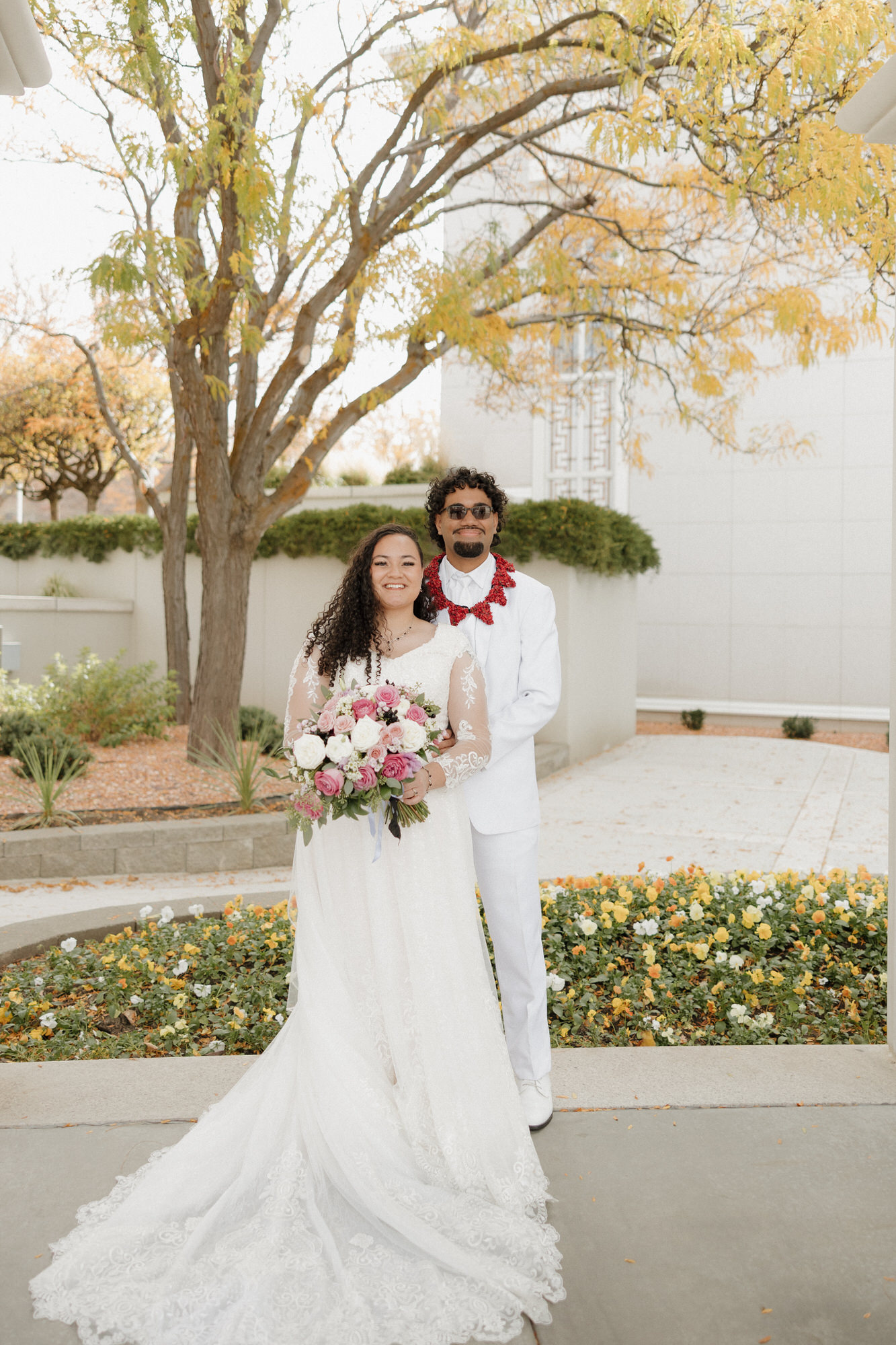
10 Wedding Day Timeline Tips:
Wedding timelines don’t need to feel rigid, stressful, or packed down to the minute. In fact, the best wedding days are the ones that allow room to breathe. If you’re newly engaged and wondering how to plan a wedding day timeline that actually works — one that feels intentional instead of rushed — these 10 […]

January 17, 2026
Wedding timelines don’t need to feel rigid, stressful, or packed down to the minute.
In fact, the best wedding days are the ones that allow room to breathe.
If you’re newly engaged and wondering how to plan a wedding day timeline that actually works — one that feels intentional instead of rushed — these 10 tips will help you create a flow that supports both your experience and your photos.
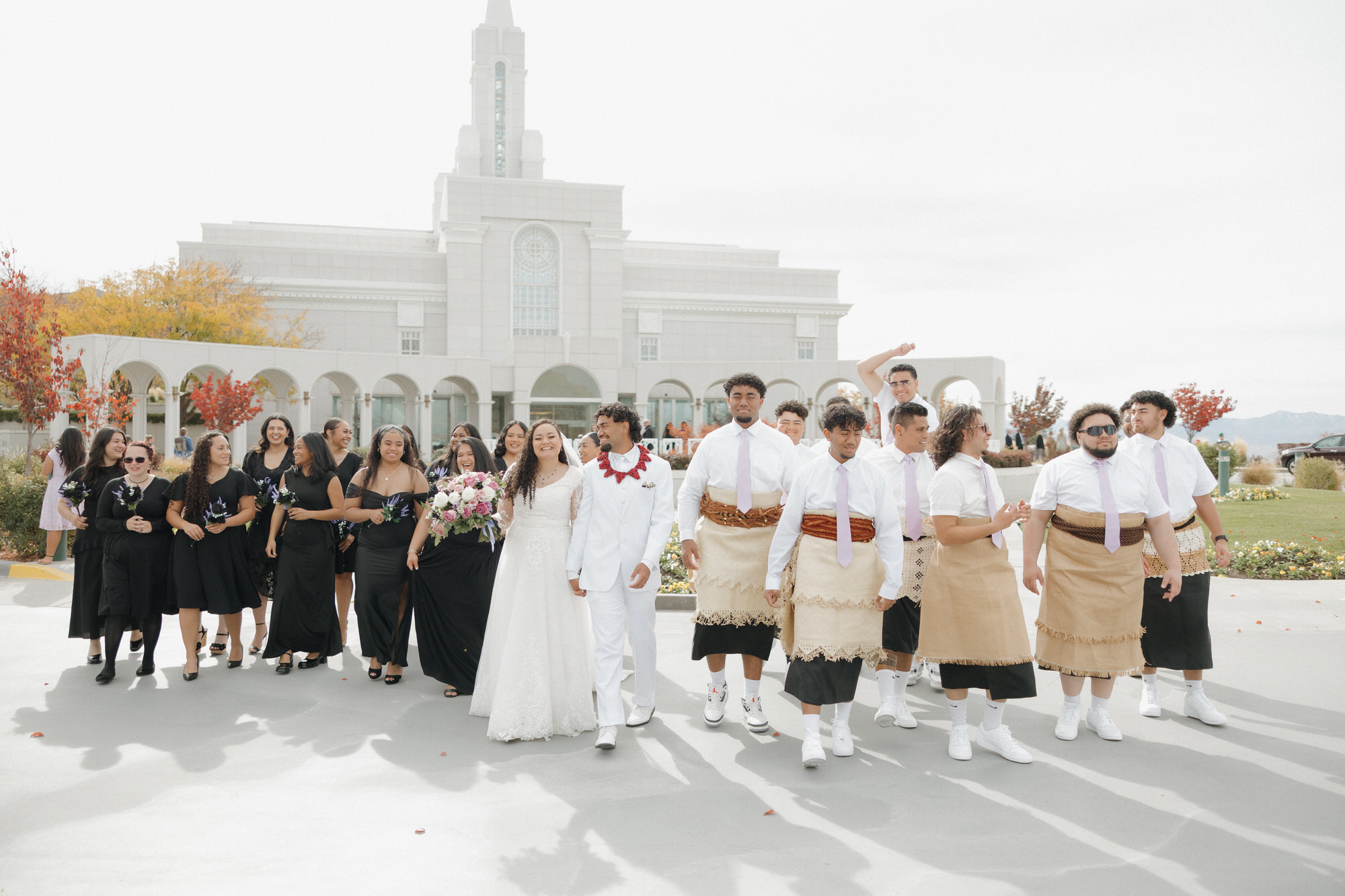
1. Identify your fixed, non-negotiable moments first
Before filling in the rest of your timeline, start with the moments that cannot move.
This usually includes:
- Ceremony start time
- Venue access windows
- Religious or cultural traditions
- Sunset time
Once these anchors are set, the rest of your timeline can be built around them logically. This prevents overbooking, rushed transitions, and last-minute stress later on.
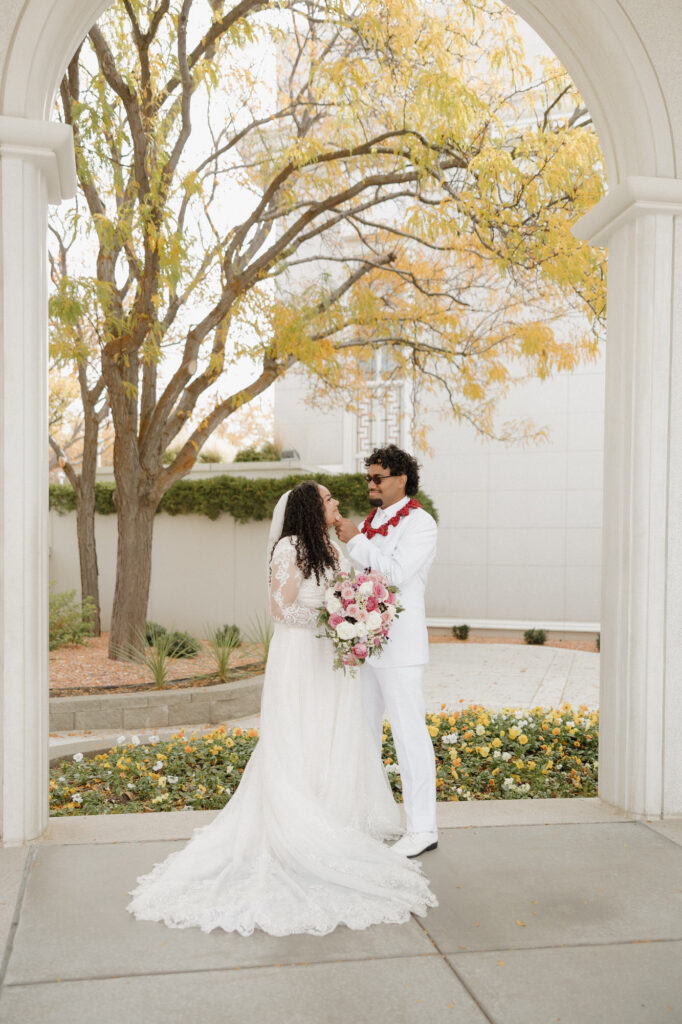
2. Build in more buffer time than you think you need
Almost everything takes longer than expected — getting dressed, family photos, traveling between locations. At least 10-15 minutes of buffer time. Track travel times between places – if necessary.
Adding buffer time doesn’t mean your day drags. It means you won’t feel rushed when something inevitably shifts. Buffer time is one of the biggest stress-reducers you can give yourselves.
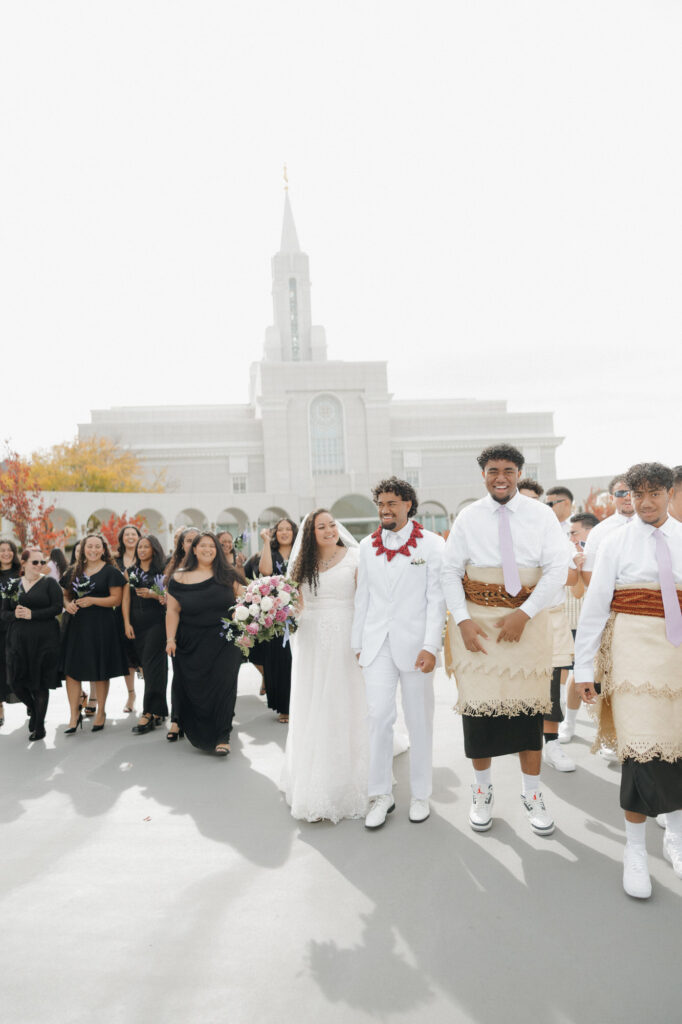
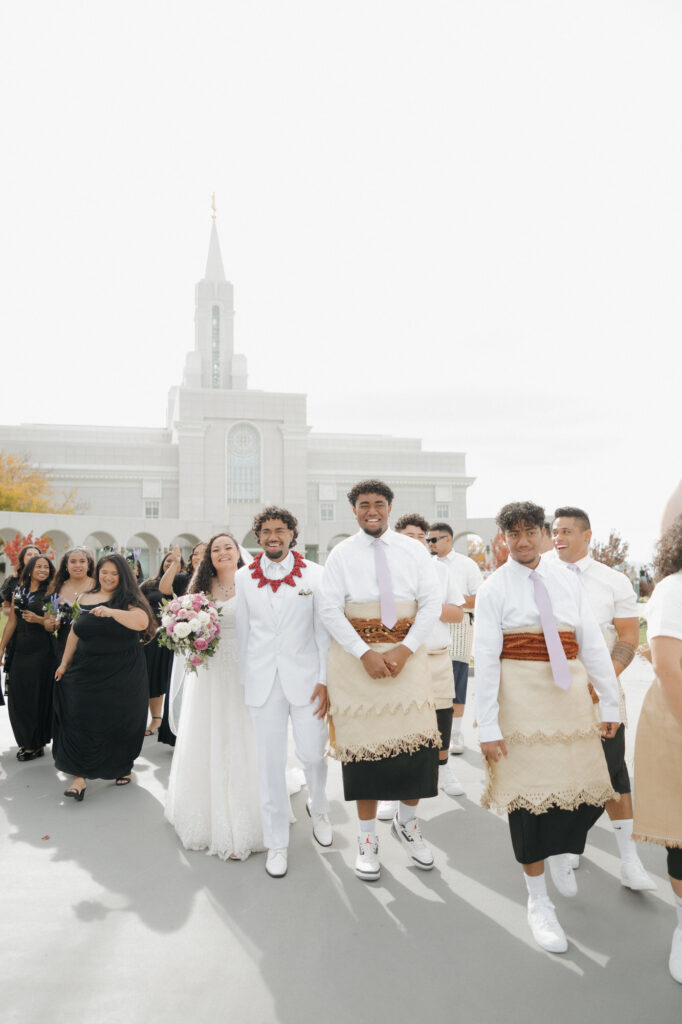
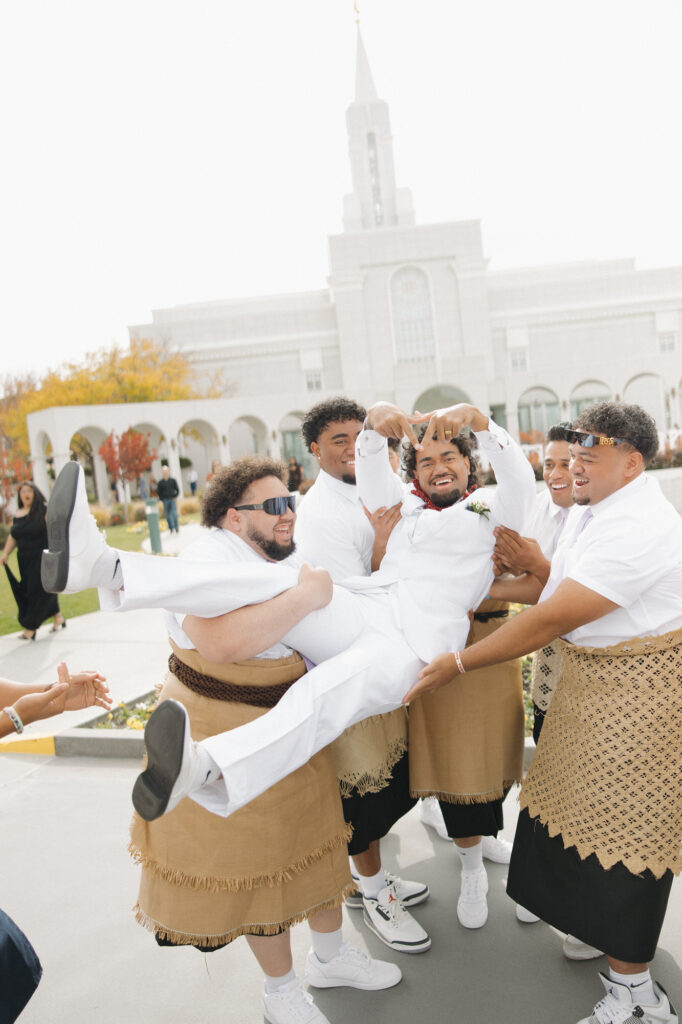
3. Decide early if you’re doing a first look
This single decision impacts your entire timeline.
A first look can:
- Create a calmer morning
- Allow more portraits before the ceremony
- Give you private time together
There’s no right or wrong choice — but deciding early helps your photographer and planner build a timeline that truly supports you.
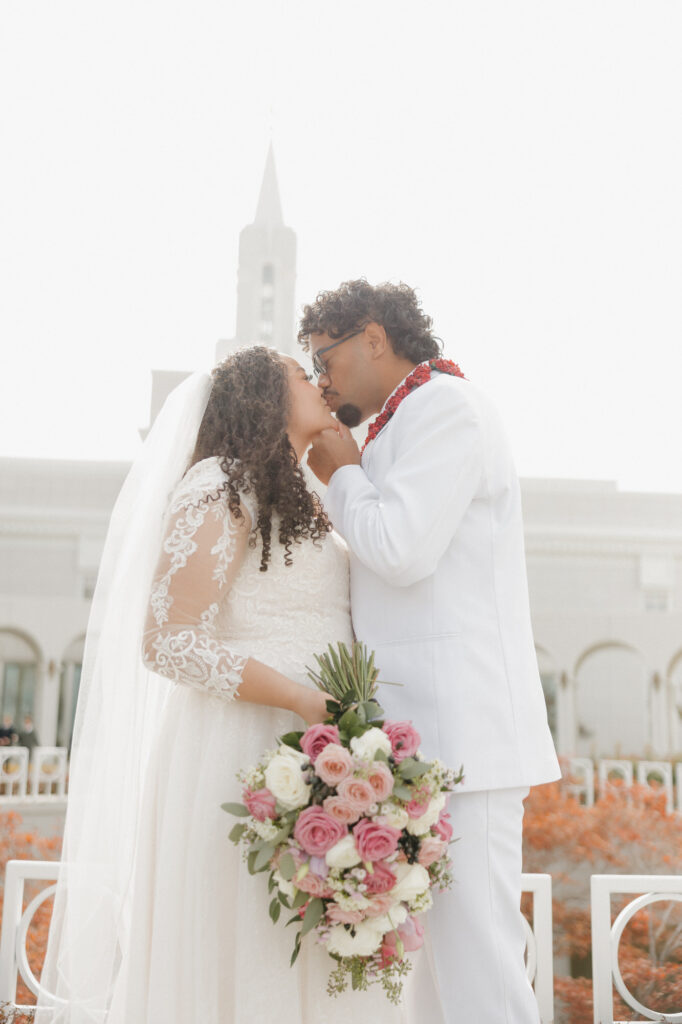
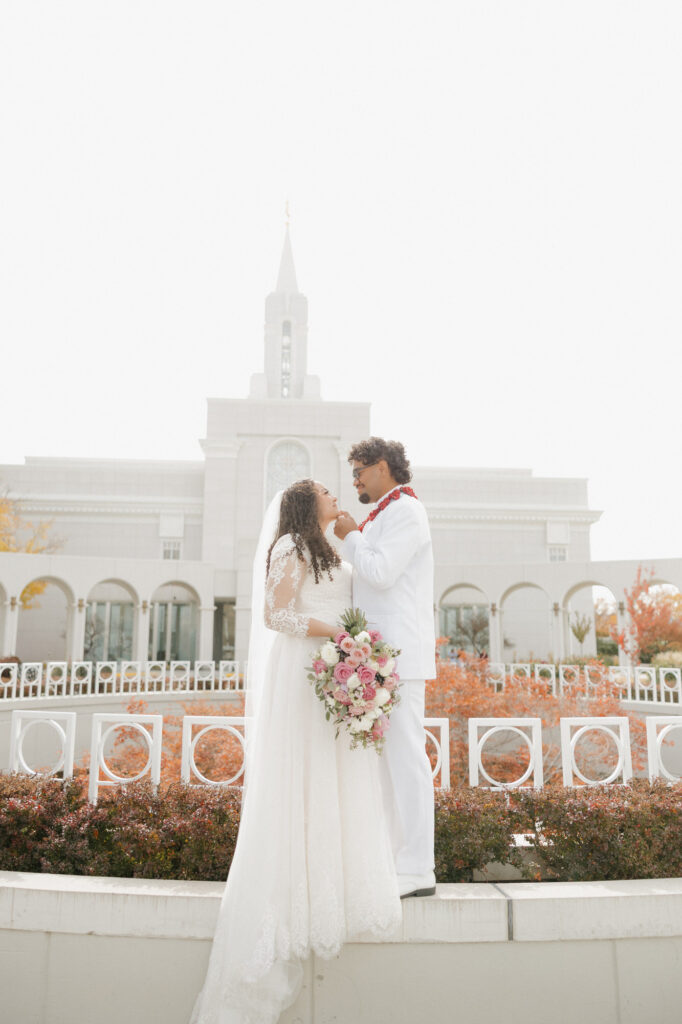
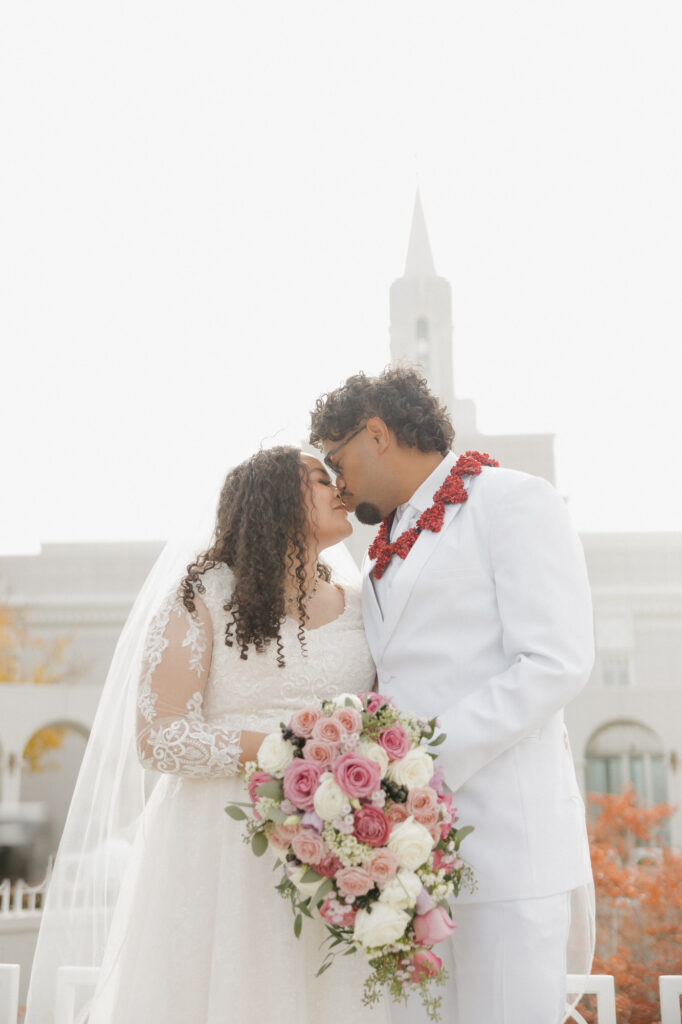
4. Prioritize light when planning photos
Natural light matters more than most couples realize.
Portraits scheduled too late or too early can feel rushed or harsh. Trusting your photographer to help plan around the best light ensures your photos feel soft, timeless, and unforced — without you needing to think about it on the day.
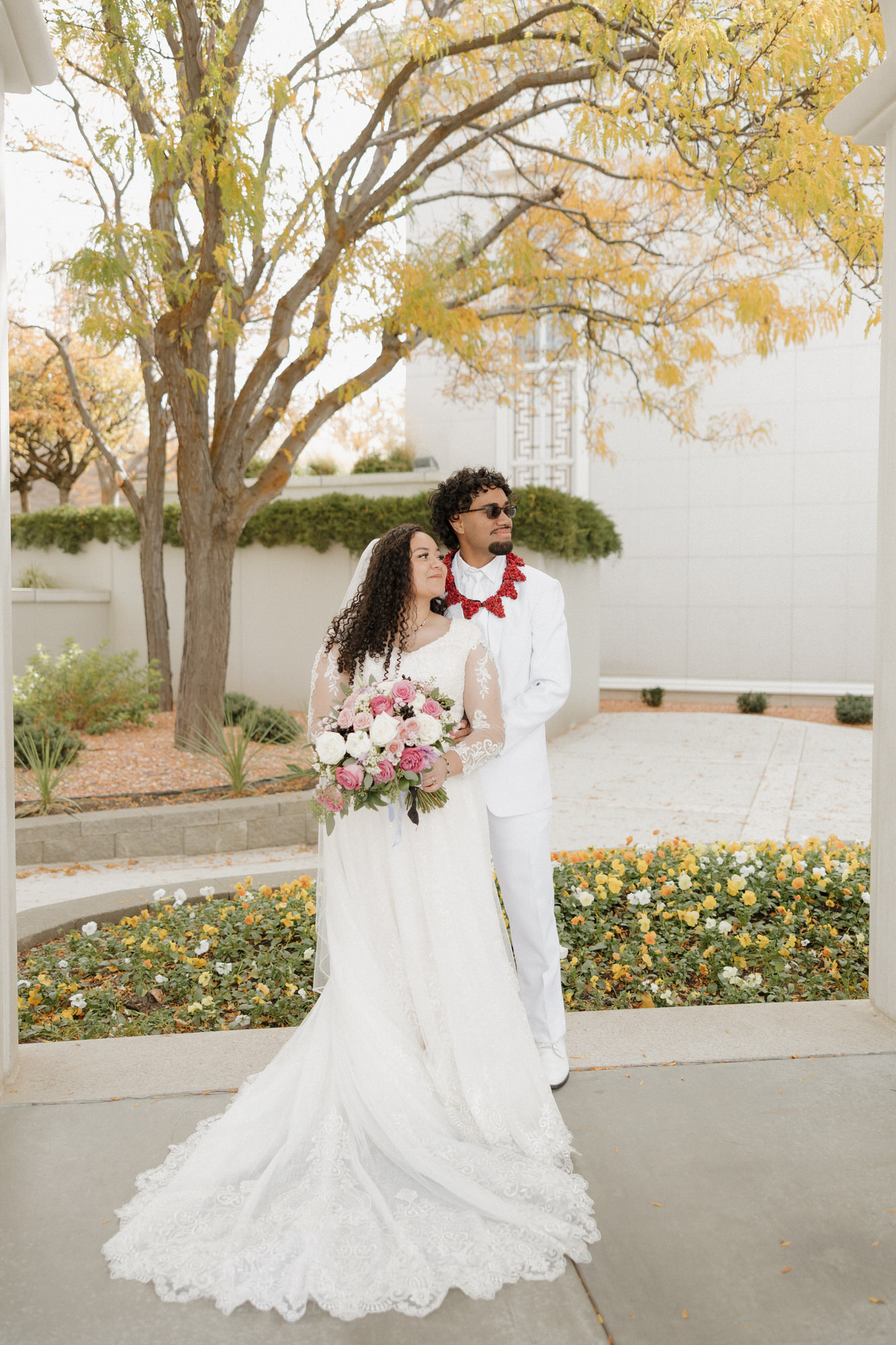
5. Keep your getting-ready location simple
Where you get ready affects more than convenience.
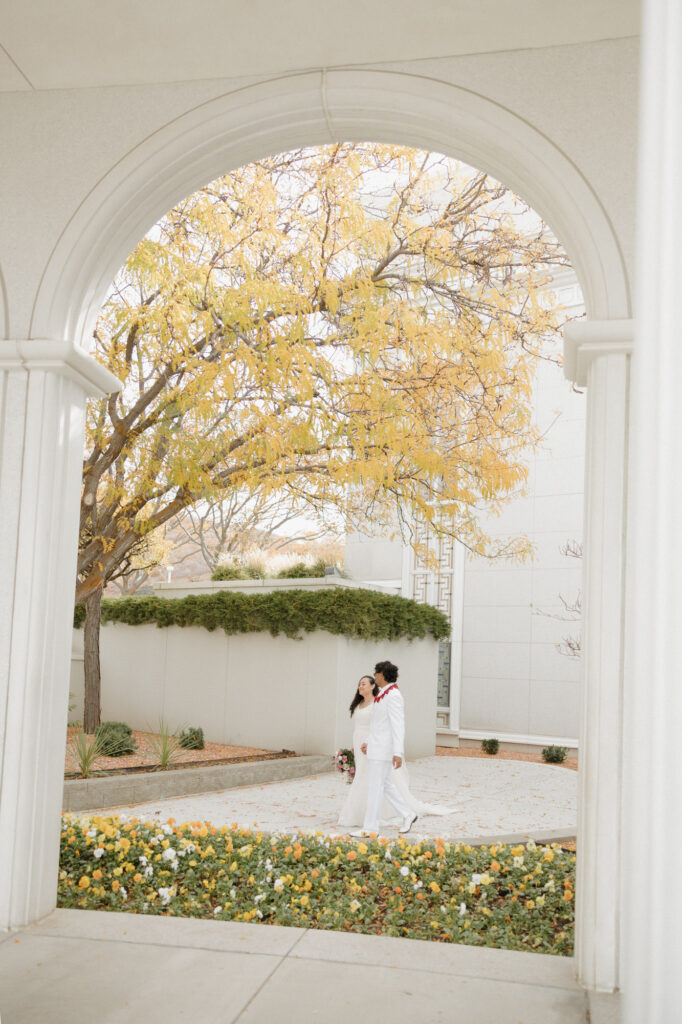
A calm, uncluttered space with good light allows your morning to feel grounded and your photos to feel clean and intentional. Fewer locations = less travel = more presence.
Are you getting ready at the venue? Do you want photo/video coverage during getting ready time with your people?
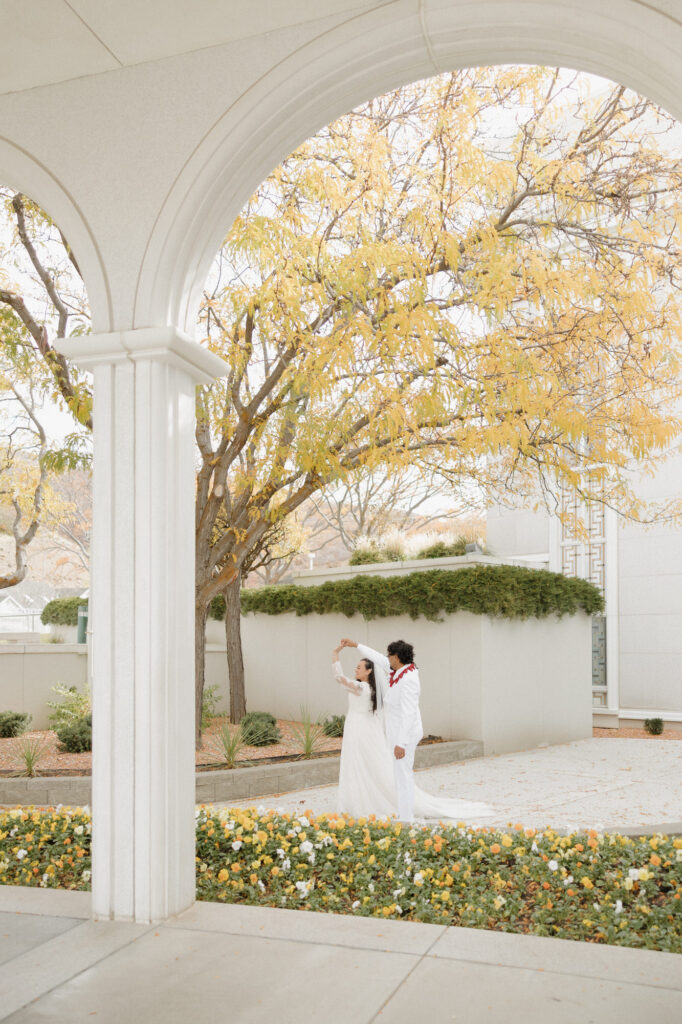
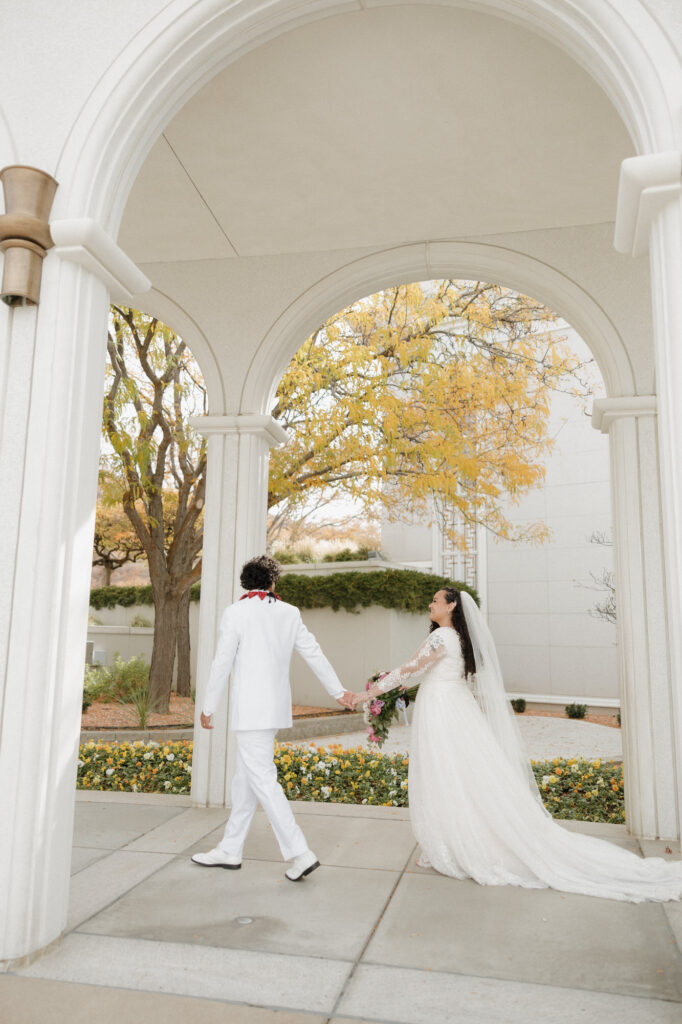
6. Be strategic and specific with family photo timing
Family photos often take longer than couples expect — especially with large families, blended families, or cultural dynamics.
Instead of leaving this open-ended, plan:
- A written family photo list created ahead of time
- A designated time block (typically 20–40 minutes, depending on size)
- One trusted family member to help gather people efficiently
This structure allows your photographer to move through groupings smoothly, minimizes confusion, and prevents family photos from eating into your couple portraits or reception time.
7. Plan breathing room after the ceremony
Immediately after the ceremony is often emotional and overwhelming.
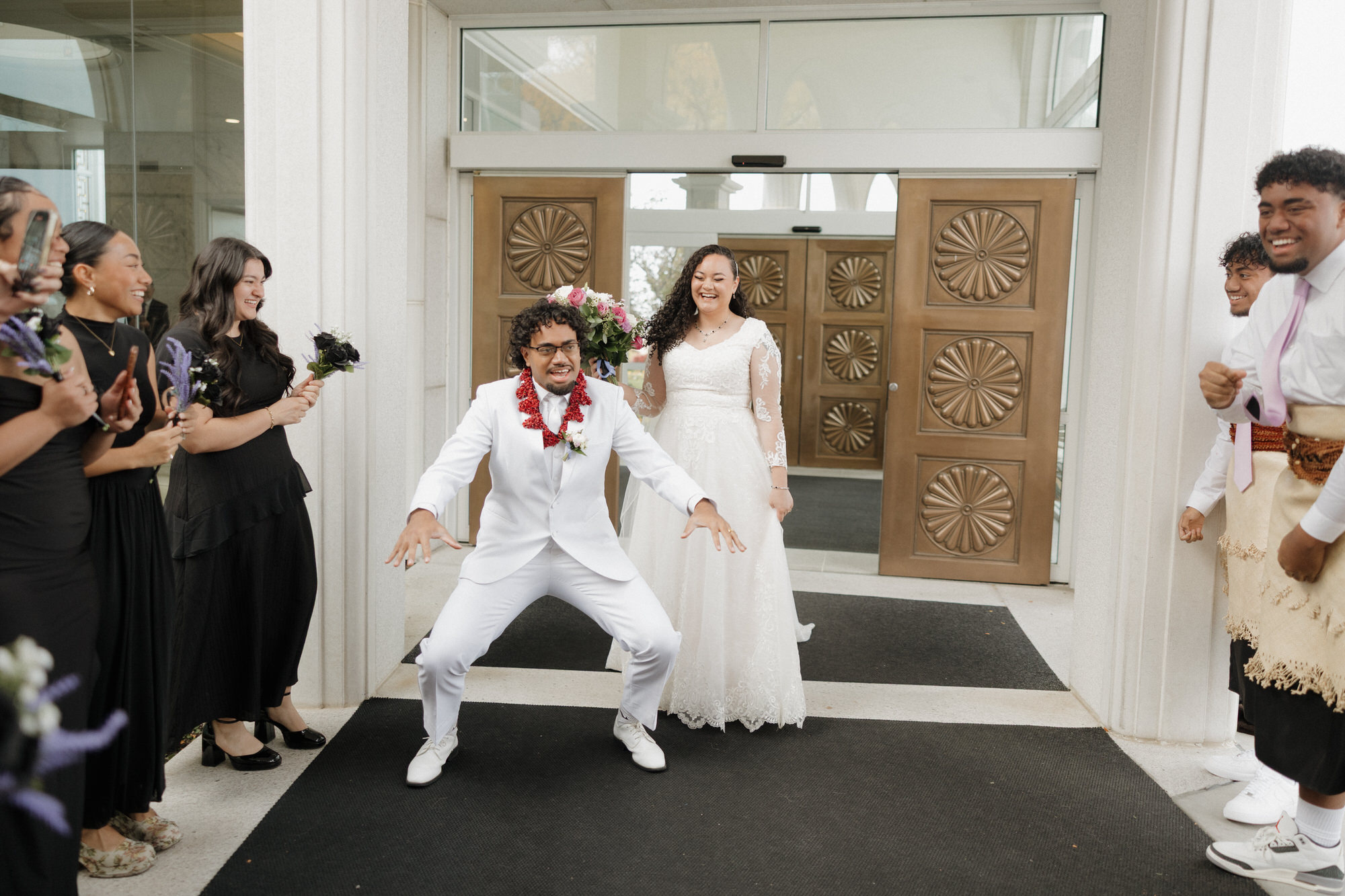
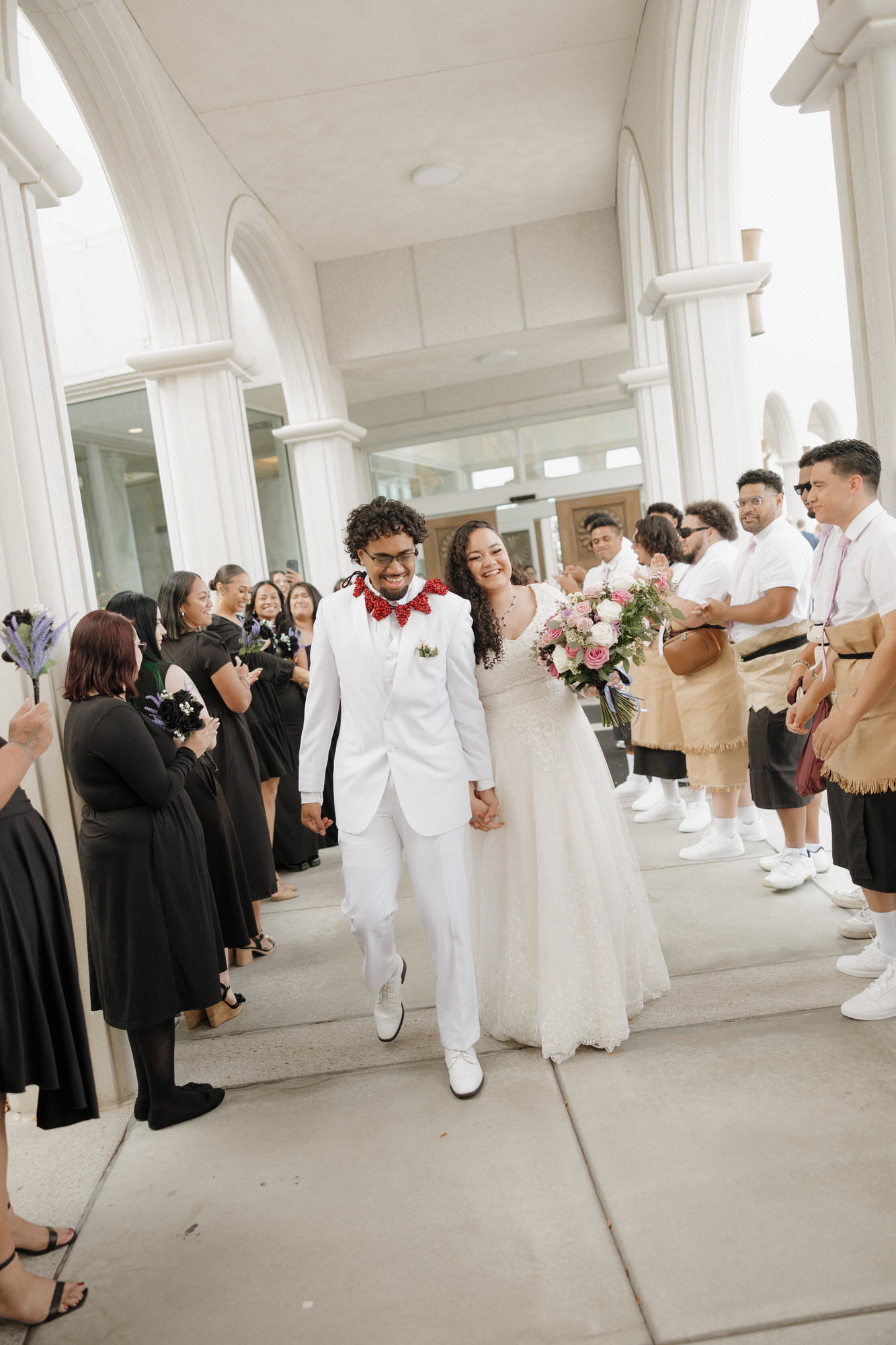
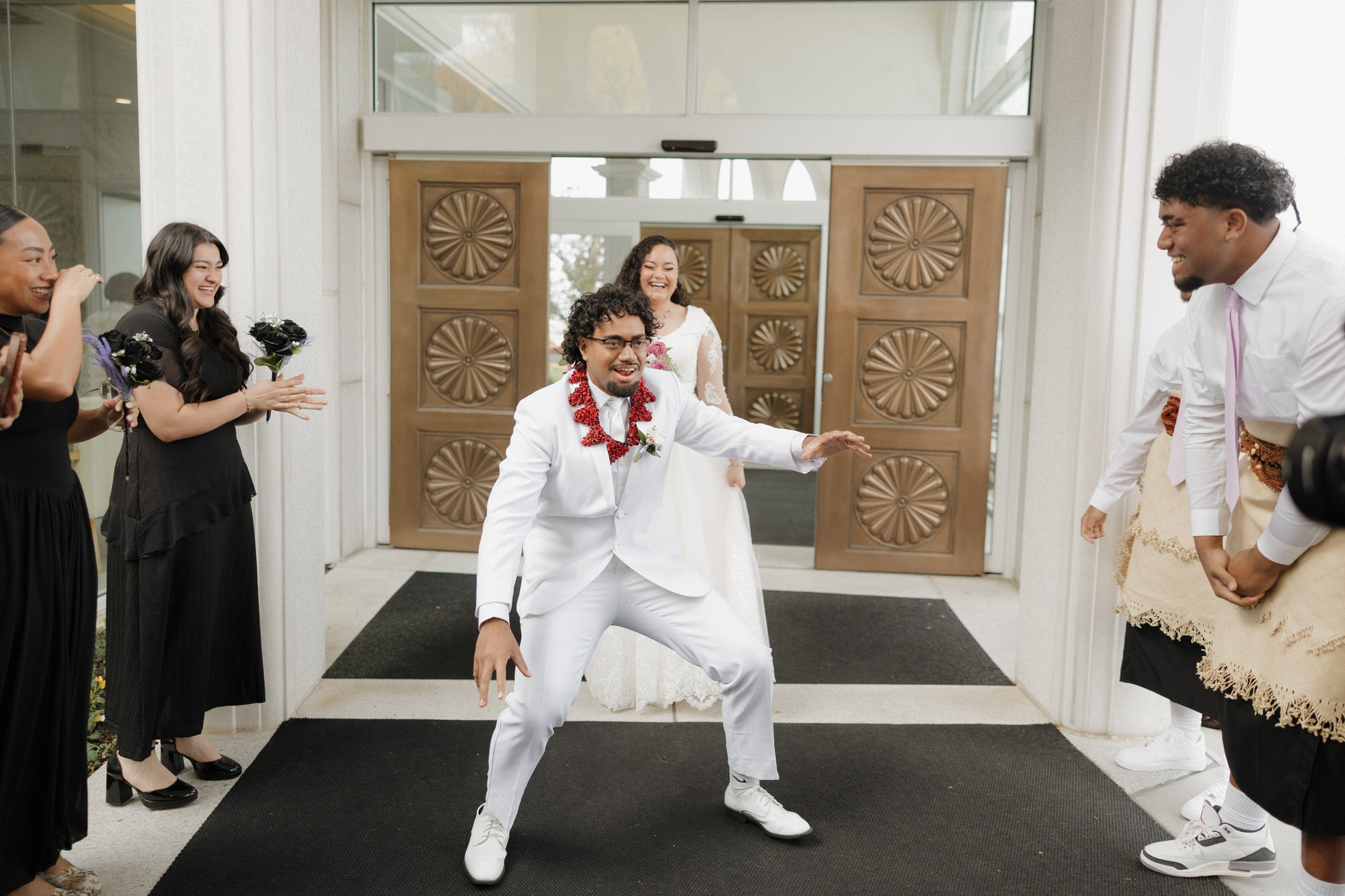
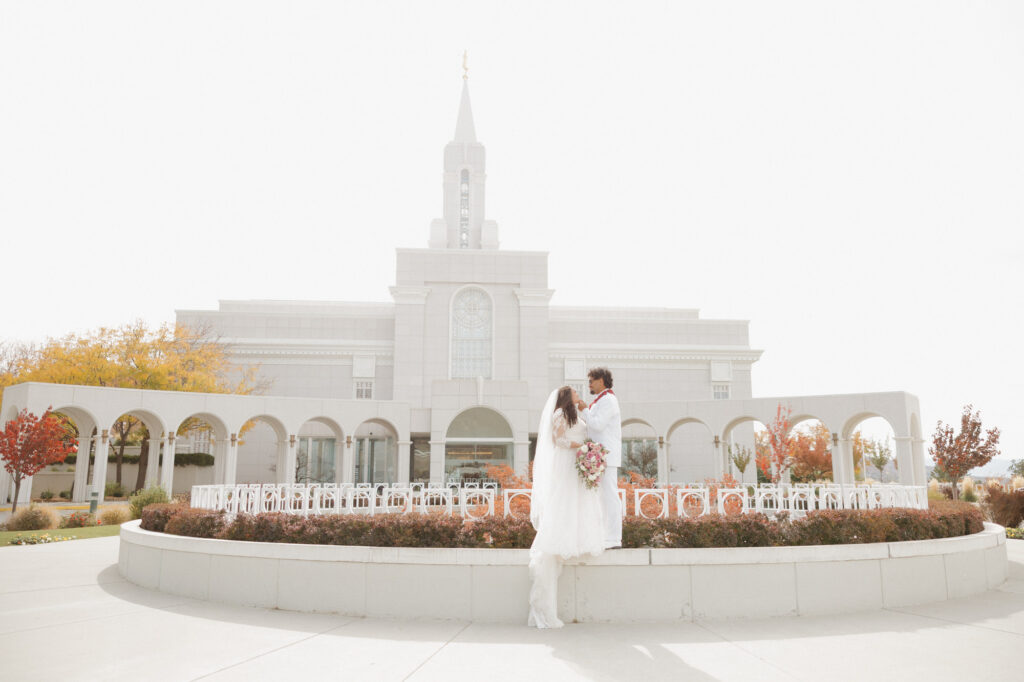
Scheduling a short pocket of time just for the two of you — even 10–15 minutes — allows you to reconnect, breathe, and fully absorb the moment before moving into the next part of the day.
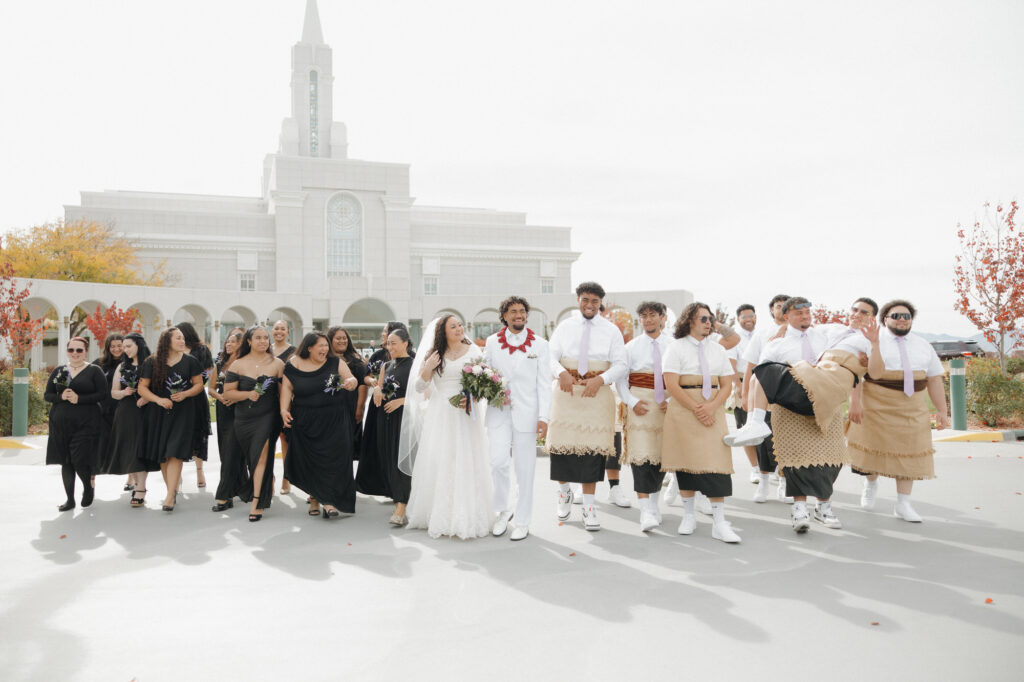
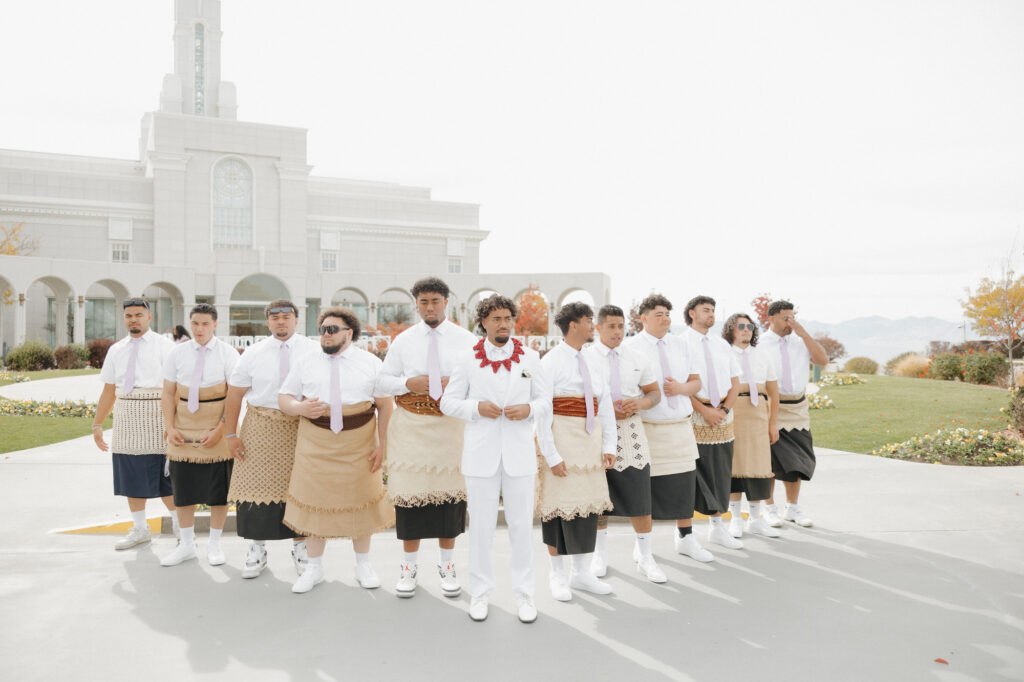
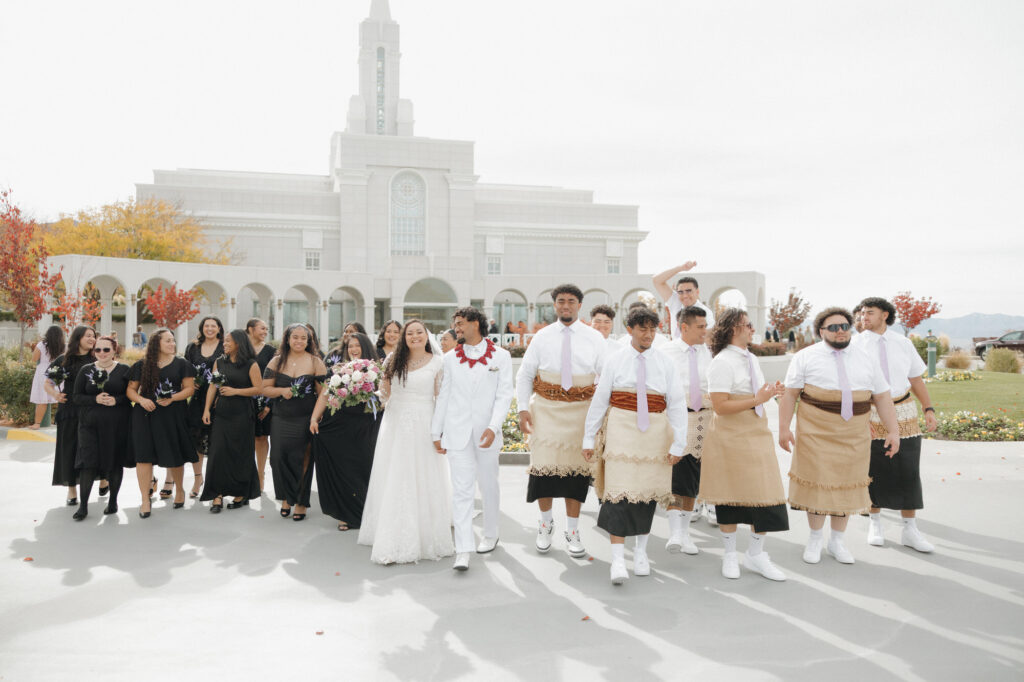
8. Intentionally plan for cultural moments during the reception
For many weddings, the reception isn’t just a celebration — it’s where cultural traditions, dances, speeches, and presentations may take place.
If your wedding includes:
- Traditional dances or performances
- Extended family speeches
- Cultural presentations or honoring moments
Your timeline should reflect that intentionally. Build in longer reception blocks, avoid stacking events too closely together, and allow space between moments so nothing feels rushed or overlooked. Planning for these traditions ahead of time ensures they’re honored fully.
9. Trust experienced vendors to guide the flow
A well-planned timeline isn’t about control — it’s about support.
Photographers and planners with experience can help anticipate transitions, adjust when things shift, and keep the day moving without you needing to manage anything. This is where professional guidance truly matters.
10. Remember: the timeline serves you
Your wedding day isn’t a performance.
If something runs late… that’s okay.
If you want to linger longer… that’s okay.
A good timeline is flexible, supportive, and centered around your experience — not perfection.